Beyond the Bluegrass: 5 Surprising Facts About America's Native Spirit
More Than Just Whiskey: 5 Unexpected Truths Hidden in Every Glass of Bourbon
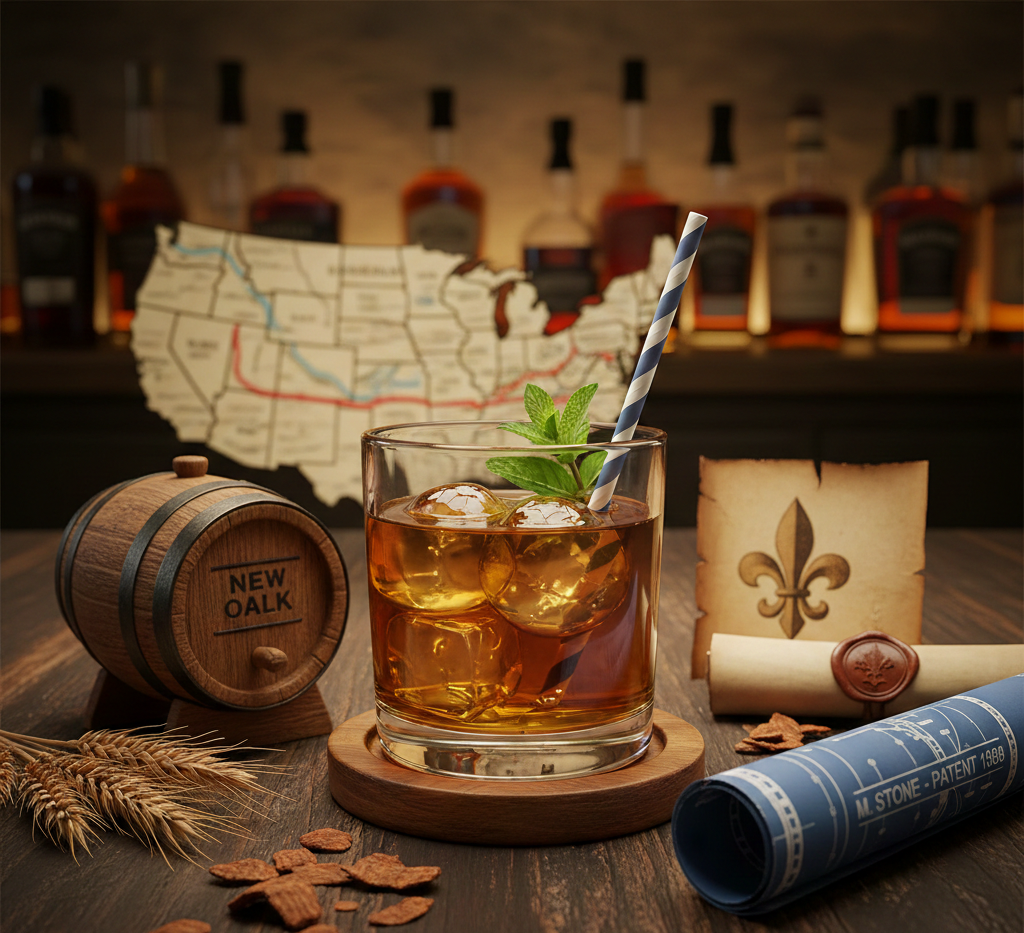
Ah, Bourbon. Just the name conjures images of the Kentucky countryside, oak barrels aging in rickhouses, and a rich, amber hue that promises warmth and complexity. While this classic American whiskey is deeply intertwined with the Bluegrass State, there's much more to its story than the commonly known facts. As you raise your glass to this venerable spirit, prepare to have your assumptions shaken—and stirred—by five little-known facts that reveal the true depth of bourbon's character and history.
1. It Doesn't Have to be from Kentucky
Contrary to a persistent and widespread belief, bourbon is not legally required to be produced in Kentucky. This might be the most common misconception about America's native spirit! The law only mandates that bourbon must be distilled in the United States. Of course, Kentucky distillers have a good reason to be territorial: they produce around 95% of the world's supply, capitalizing on their ideal climate, limestone-filtered water, and generations of expertise. Therefore, while you’ll find excellent bourbon from states like Texas, New York, and Colorado, the vast majority of the good stuff still calls Kentucky home.
2. There's No Minimum Aging Requirement (Unless It's "Straight")
How long does bourbon need to age? You might be surprised to learn that, by federal definition, there is no minimum aging requirement for bourbon. It simply must be stored in "charred new oak containers" for a time. Even a day in the barrel technically qualifies it as bourbon! However, most distilleries wouldn't dream of selling such a young product, as the aging process is what provides its color and much of its flavor.
The exception to this rule is "Straight Bourbon." If a label uses the term "Straight Bourbon Whiskey," the spirit must have been aged for a minimum of two years. Furthermore, if it’s aged for less than four years, the label must explicitly state the age of the youngest whiskey in the bottle. So, if your bottle of straight bourbon doesn't list an age, you know it's been patiently waiting for at least four years.
3. All Bourbon Barrels are One-and-Done
One of the most defining characteristics of bourbon is its aging vessel: it must be matured in new, charred oak barrels. Once the whiskey is dumped out of that barrel, it can never be used again to age bourbon. This regulation ensures a consistent and vibrant interaction between the fresh wood and the raw spirit, contributing those signature notes of vanilla, caramel, and spice.
So, what happens to all those barrels? They don't just become decoration! This one-time-use rule has inadvertently become a boon for the international spirits industry. Many of those freshly emptied bourbon barrels are shipped across the Atlantic to Scotland, where they are essential for aging Scotch whisky, imparting their sweet, woody notes to the malted barley spirit. They also find new life in the production of rums, tequilas, and other aged spirits worldwide.
4. Its Name May Be a Nod to French Royalty
The origin of the name "bourbon" is still debated among historians, but a popular theory ties it back to the French House of Bourbon. This powerful royal family provided crucial support to the American colonies during the Revolutionary War.
In a show of gratitude, an enormous territory in what was then western Virginia (now a large part of central Kentucky) was named Bourbon County in 1785. The whiskey shipped down the Ohio River from this region, stamped with the origin, eventually became known simply as "Bourbon" whiskey. Whether it was named for the original county or for Bourbon Street in New Orleans, a major trading port, the name is a lovely tribute to a royal line that aided the birth of the American nation and its favorite spirit.
5. Bourbon is a Key Ingredient for the Modern Drinking Straw
Here’s a fact you can truly impress your friends with: The classic bourbon cocktail, the Mint Julep, is credited with inspiring the invention of the modern drinking straw. Back in the 1880s, people often sipped their juleps through hollow tubes of natural rye grass. These organic straws had a few downsides—they quickly became mushy and sometimes imparted an unpleasant grassy flavor to the drink.
Legend has it that inventor Marvin C. Stone, unhappy with the taste his rye straw was adding to his Mint Julep, was inspired to create a better alternative. In 1888, he patented a machine that wrapped paper around a pencil, securing the seam with glue, and then coating the tube in wax to prevent it from dissolving. This innovative solution, born out of a desire for a cleaner bourbon-sipping experience, was the precursor to the paper and plastic straws we use today.
Bourbon is more than just a drink; it's a product rich in history, quirky regulations, and surprising connections to the world around it. The next time you enjoy a glass, take a moment to appreciate the fascinating, little-known journey that brought this distinctly American spirit from grain to glass.
Would you like me to find a classic Mint Julep recipe or look up more details on the federal regulations that define bourbon?